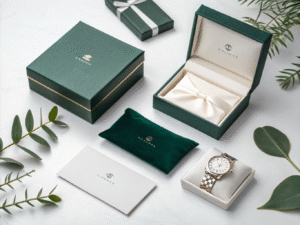
How to Build Your Brand Image with Custom Jewelry Boxes?
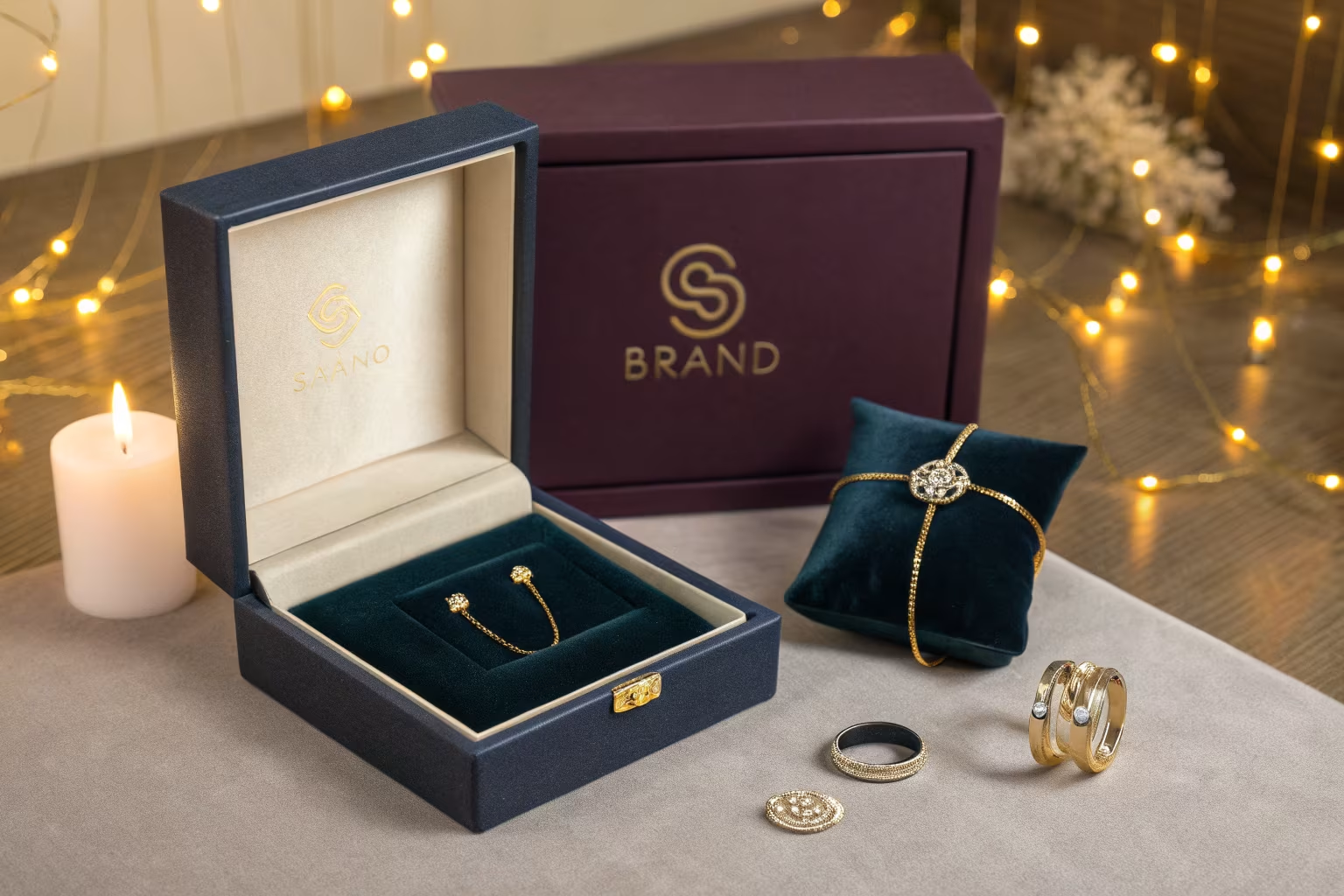
Premium Velvet Jewelry Box
Creating a strong brand image is key to success in today’s competitive market. Custom jewelry boxes can make a lasting impression on customers and enhance your brand’s value.
Custom jewelry boxes are an effective way to reflect your brand identity, improve perceived product quality, and create a memorable unboxing experience for customers.
These boxes are not just packaging; they are a way to communicate your brand story. Let’s explore how you can make the most of them.
Custom jewelry boxes improve perceived product quality. True ✅
Custom boxes signal attention to detail, enhancing the overall perception of your product’s value.
Custom jewelry boxes are only for luxury brands. False ❌
Custom packaging benefits brands of all scales by enhancing customer experience and brand identity.
How can you align your custom jewelry boxes with your brand identity?
Your brand identity is what sets you apart. Custom jewelry boxes can reflect this uniqueness. They are more than packaging; they are a way to connect with your customers on a deeper level.
To align your custom jewelry boxes with your brand identity, pay attention to colors, logos, and the message your packaging conveys. Ensure these elements reflect your brand’s personality.
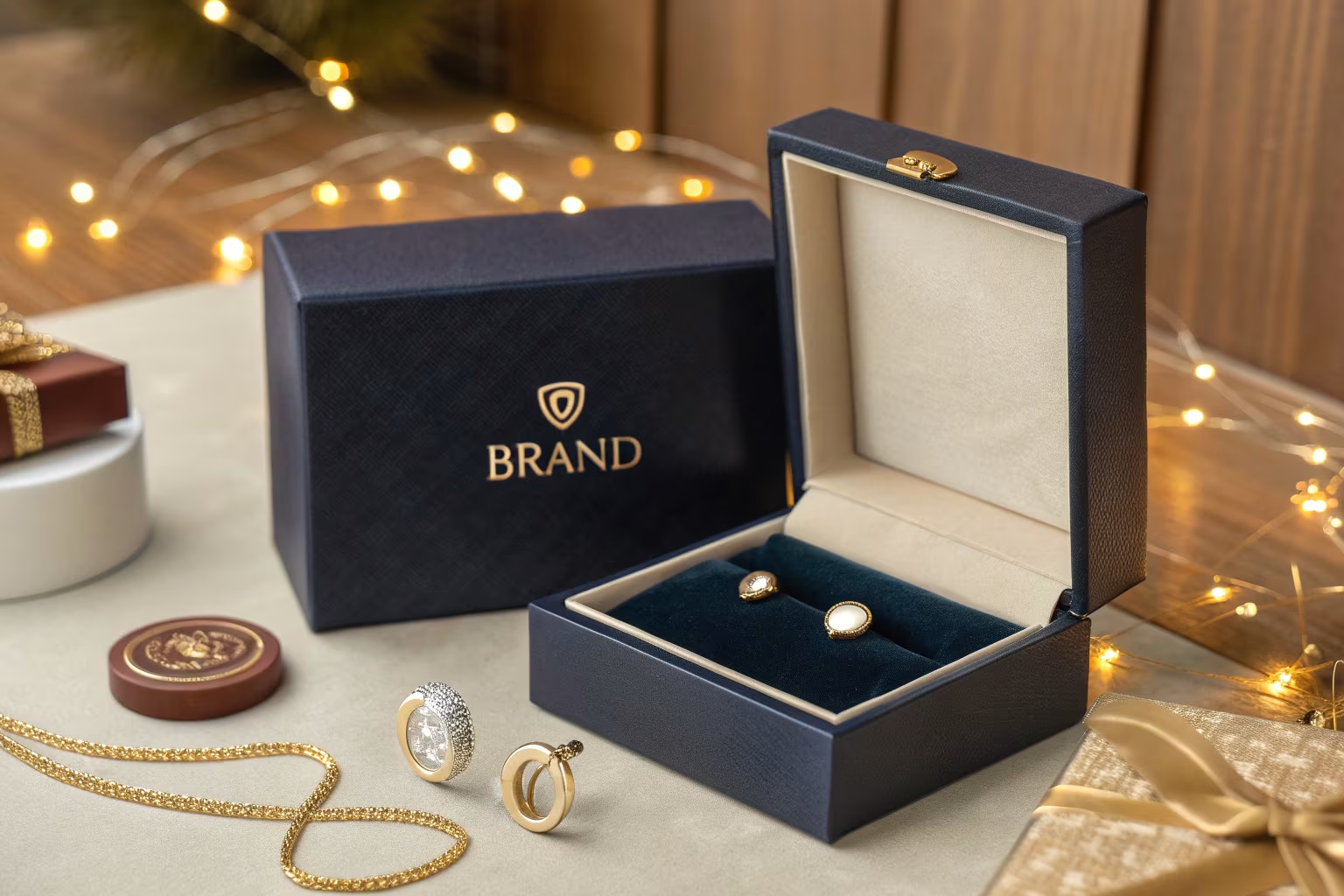
Gold Foil Jewelry Box
How Colors and Fonts Affect Perception
Colors have a strong impact on emotions. Choose colors that align with your brand’s values. A bold color palette might suggest luxury or exclusivity. Soft tones might indicate elegance or simplicity.
Fonts are also important. They communicate your brand’s tone. A modern, sleek font looks different from a handwritten style. Use a font that matches your overall aesthetic.
Personalizing the Design for a Unique Identity
Personal touches make packaging stand out. Add your brand logo prominently. Consider embossing or foil stamping for a premium look. Include a tagline that shares a key message about your brand.
Simple details like these can make a big difference. They turn your packaging into a memorable part of your customer’s experience.
Thinking About Your Target Audience
Your audience shapes your packaging choices. Think about what they value. If your customers care about sustainability, use recyclable materials. If they value luxury, focus on high-end finishes.
Different audiences expect different things. Your packaging should meet their expectations while staying true to your brand.
Balancing Consistency with Innovation
Consistency builds trust. Use the same colors and design elements across all your products. This creates recognition. But don’t be afraid to innovate. Seasonal designs or limited-edition packaging can excite your customers.
Consistency and innovation can work together. They help your brand stay fresh and recognizable at the same time.
Key Elements to Align Your Packaging with Your Brand
| Element | Example | Impact on Brand Image |
|---|---|---|
| Colors | Bold red for passion | Conveys strong emotions |
| Fonts | Minimalist sans-serif font | Modern and clean look |
| Materials | Recyclable cardboard | Shows eco-conscious values |
| Personalization | Embossed logo | Adds premium feel |
Custom jewelry boxes are a blank canvas. You can use them to tell your brand story and connect with your customers. Every design choice can make your brand stronger.
Colors and fonts significantly impact brand perception. True ✅
Colors and fonts evoke emotions and establish your brand’s tone, enhancing customer connection.
Custom jewelry boxes must be neutral in design to suit all customers. False ❌
A tailored design aligned with your target audience and brand values is more effective.
What design features should you consider for jewelry boxes?
Jewelry boxes should do more than hold your products. They must look appealing and protect their contents. The right design can enhance your brand’s value and give customers a better experience.
Key design features include durable materials, practical compartments, and eye-catching finishes. These choices should match your brand and customer preferences.
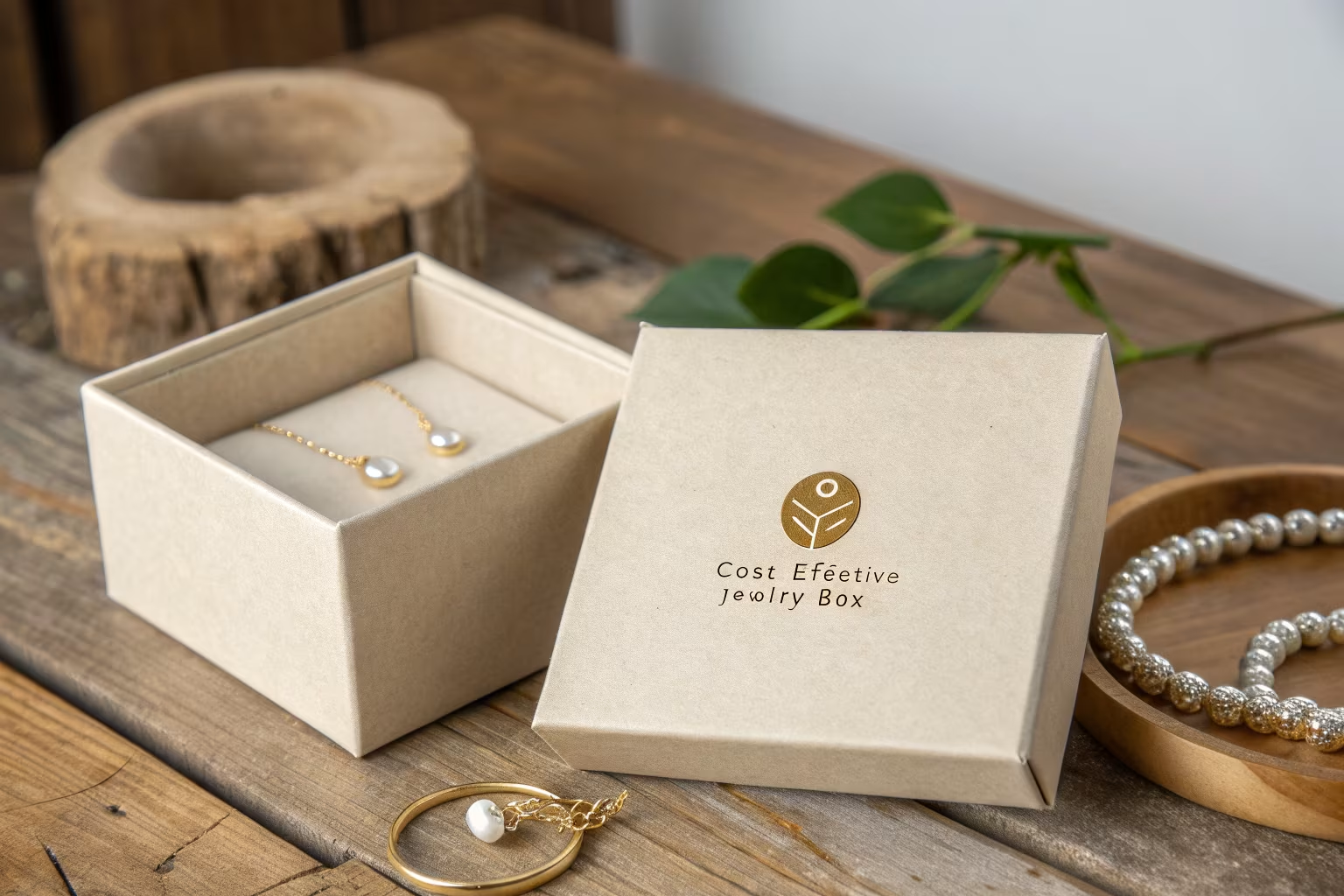
Minimalist Cardboard Jewelry Box
Choosing the Right Materials
Materials affect the look, feel, and durability of your packaging. Cardboard is lightweight and eco-friendly. Wood offers a premium, sturdy option. Faux leather adds elegance but may not suit eco-conscious buyers.
Your material choice should match your brand values. If sustainability is important, use recyclable or biodegradable options. If luxury is your focus, go for velvet linings or polished wood.
Adding Functional Compartments
Compartments keep jewelry organized and safe. Rings and earrings need small slots. Bracelets and necklaces need larger spaces. Well-designed compartments also make the unboxing experience better.
Practicality matters. Customers will notice if their jewelry stays secure. You can also use compartments to enhance the display, making the product feel more valuable.
Finishes That Catch the Eye
Finishes make packaging stand out. Matte finishes feel modern. Glossy finishes look polished. You can also use metallic accents like foil stamping to create a luxurious feel.
Consider how these finishes align with your brand. A minimalist brand might avoid flashy details. A luxury brand might embrace them.
Sustainability in Design Choices
Sustainability is a growing priority. Using eco-friendly materials appeals to environmentally conscious buyers. Highlight these choices in your packaging to show responsibility.
Balancing sustainability with aesthetics can be tricky. Eco-friendly designs can still look high-end. Use clean, simple designs that appeal to both style and sustainability.
Comparing Design Features and Their Impacts
| Feature | Example | Customer Impression |
|---|---|---|
| Material | Faux leather | Luxury and elegance |
| Compartments | Slots for rings and chains | Organized and secure |
| Finish | Matte with foil logo | Modern yet premium |
| Sustainability | Recycled cardboard | Environmentally responsible |
Thinking Beyond the Basics
Design is not just about appearance. It reflects your brand values and meets customer expectations. Think about how your design communicates who you are and what you stand for.
Your jewelry boxes are the first thing customers see. Make them memorable. Use thoughtful design features to create an experience that represents your brand.
Jewelry boxes with compartments improve customer satisfaction. True ✅
Compartments protect jewelry and enhance organization, improving the unboxing experience for customers.
Glossy finishes always suit minimalist brands. False ❌
Minimalist brands often prefer matte finishes for a clean and understated aesthetic.
What are the cost considerations for custom jewelry boxes?
Custom jewelry boxes are an investment. Balancing cost and quality is a challenge. Every decision you make, from materials to shipping, impacts your budget and your brand’s image.
Costs depend on materials, order size, design complexity, and additional features. Understanding these factors helps you manage expenses wisely.
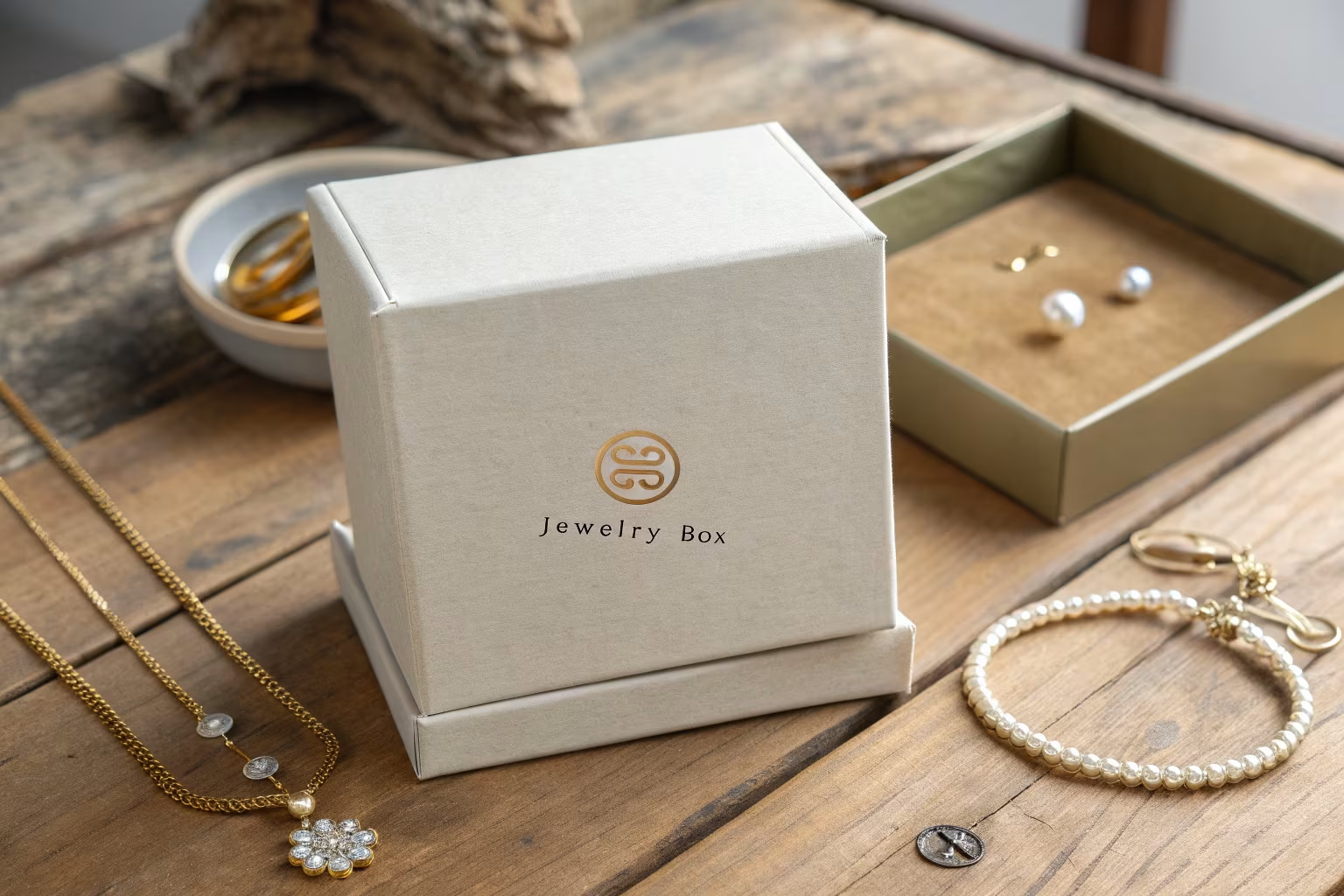
Simple Matte Jewelry Box
Materials and Their Impact on Cost
Materials affect both quality and price. Cardboard is affordable and eco-friendly. Wood or leather adds luxury but increases costs. You need to balance these choices with your target audience’s preferences.
Premium materials can elevate your brand. However, they may not fit every budget. Choosing the right material requires thinking about value. What will your customers appreciate most?
Order Size and Pricing Benefits
Bulk orders often reduce the price per unit. Larger orders can lower production costs. However, they require more storage space, which adds another expense.
Smaller orders provide flexibility. They suit brands testing new designs. But they may cost more per unit. Weigh these options based on your business needs.
Design Complexity and Its Role in Budgeting
Simple designs are cheaper. Complex designs with embossing or foil stamping cost more. They add a premium feel but require a higher budget.
Innovative features like magnetic closures can impress customers. But they come at a price. Ask yourself if these extras align with your brand strategy.
Shipping and Logistics Costs
Shipping costs depend on box size, weight, and destination. Lightweight materials like cardboard can save money. However, sturdy materials ensure your products arrive safely.
Customs fees and taxes also affect costs. Plan for these when shipping internationally. A clear understanding of logistics prevents unexpected expenses.
Cost Factors and Their Impacts
| Factor | Example | Impact on Cost |
|---|---|---|
| Material | Faux leather vs. cardboard | High-end look vs. affordability |
| Order Size | 500 units vs. 5,000 units | Higher per-unit cost vs. savings |
| Design Complexity | Embossed logo | Premium feel, higher cost |
| Shipping | Lightweight boxes | Lower fees, safer transport |
Critical Questions to Guide Your Choices
Ask yourself important questions. Do your customers prioritize premium materials or sustainable options? Can bulk orders reduce costs without creating storage problems? Are the design extras worth the expense?
These questions force you to think critically. Every decision affects your bottom line. Balancing cost with quality ensures your boxes meet customer expectations while staying within budget.
Premium materials enhance perceived brand value. True ✅
High-end materials like leather or wood elevate your brand’s image and customer experience.
Bulk orders always save money in the long term. False ❌
Bulk orders reduce per-unit costs but may increase storage and logistics expenses.
How do you choose the right supplier for custom jewelry boxes?
Choosing the right supplier is essential for getting high-quality custom jewelry boxes. The wrong choice can lead to poor quality, delays, or communication issues. This decision can directly impact your brand and customer satisfaction.
To find the right supplier, evaluate their reputation, production capabilities, and communication style. Test samples and review certifications to ensure quality and reliability.
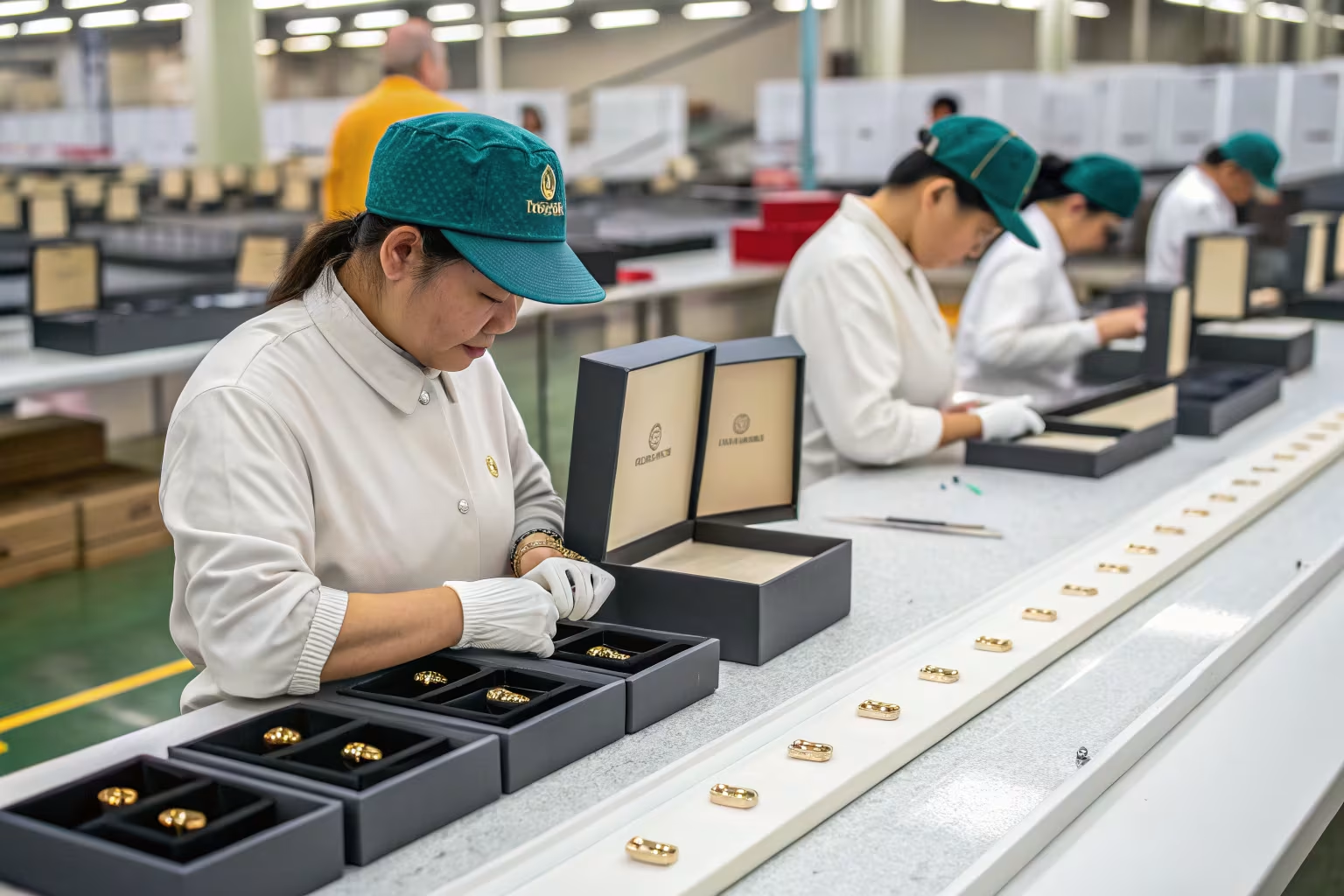
Jewelry Packaging Production Line
Evaluating Supplier Reputation
Start by checking reviews. Look for feedback from other businesses. This can give you an idea of the supplier’s reliability. Positive reviews about quality and punctuality are good signs.
You can also ask for references. Contact other buyers and ask about their experiences. This step can reveal details that online reviews might miss.
Assessing Production Capabilities
A supplier must meet your production needs. Ask about their minimum order quantities and lead times. Ensure they can handle large orders if your business grows.
Visit their factory if possible. This helps you understand their production process. A firsthand look can confirm if they can meet your quality standards.
Testing Samples for Quality
Always request samples. Evaluate the materials, finishes, and durability. Check if the packaging matches your expectations. Samples can help you spot issues early.
Compare samples from multiple suppliers. Look for the best combination of quality and cost. This step ensures your choice fits your brand and budget.
Ensuring Certifications and Standards
Certifications show a supplier’s commitment to quality. Look for ISO certifications or other relevant standards. These ensure reliable processes and materials.
Ethical practices matter too. Verify if the supplier meets fair labor and environmental standards. This aligns your brand with responsible business practices.
Key Factors to Evaluate Suppliers
| Factor | What to Check | Why It Matters |
|---|---|---|
| Reputation | Reviews and references | Ensures reliability |
| Production Capability | Lead times and factory visits | Confirms capacity |
| Sample Quality | Material and design testing | Verifies product expectations |
| Certifications | ISO and ethical standards | Aligns with brand values |
Asking the Right Questions
Ask critical questions. Can the supplier handle sudden increases in demand? Do they understand your specific design needs? Are their prices consistent over time? These answers help you make a confident choice.
Choosing a supplier takes time and research. A thoughtful approach ensures your packaging meets quality expectations and supports your brand image.
Checking supplier samples guarantees quality assurance. True ✅
Samples help evaluate material, design, and finish to ensure they meet your brand standards.
A supplier’s reputation is irrelevant if their prices are low. False ❌
A supplier’s reputation reflects reliability and quality, which are crucial for consistent branding.
Conclusion
Custom jewelry boxes can elevate your brand image and enhance customer experience. Focus on aligning design with your identity, balancing costs, and choosing a reliable supplier to achieve success.